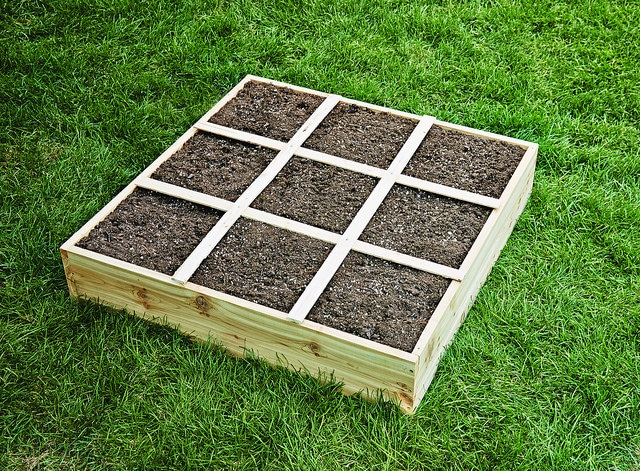
Your Ideal SFG Box: Best Materials & Key Dimensions for a Family Project
Embarking on a gardening adventure with your children is a truly rewarding experience, and there's no better way to kick it off than by building your very own Square Foot Garden (SFG) box. For kids, this isn't just a construction project; it's the moment their future garden physically takes shape, igniting their imagination about where their vegetables will sprout and thrive. If you're wondering about
square foot gardening with kids how to build a box that's safe, durable, and perfectly sized, you've come to the right place. This article will guide you through selecting the best materials and understanding the key dimensions to create an ideal SFG box, making the building process as much fun as the gardening itself.
Why Build an SFG Box with Your Kids? Beyond Just Growing Food
Building an SFG box together offers a unique blend of practical skills and life lessons. As little hands help measure, saw, and assemble, they're not just creating a garden bed; they're learning about independence, the satisfaction of achievement, and the importance of working together. It's a fantastic opportunity to introduce basic carpentry and, crucially, tool safety in a supervised and engaging environment. Whether it’s learning to hold a tape measure or carefully sanding a rough edge, these moments build confidence and fine motor skills.
Moreover, constructing their own garden space fosters a deeper connection to nature and the food they'll eventually harvest. They see the physical manifestation of their effort, making them more invested in the success of their plants. It’s an adventure from start to finish, culminating in a beautiful space ready for planting. For more in-depth advice on making this a fun and secure activity, be sure to check out our related guide:
Build a Square Foot Garden Box with Kids: Safety & Fun.
Essential Dimensions for Your Kid-Friendly SFG Box
The genius of Square Foot Gardening lies in its simplicity and efficiency, and specific dimensions play a crucial role in its success, especially when gardening with children.
*
The Ideal Footprint: 3x3 or 4x4 Feet
While a 4x4 foot bed is common for adults, a
3x3 foot square is often ideal when building with kids. This size ensures that children (and adults) can easily reach the center of the bed from any side without stepping on the soil, which is vital for maintaining soil health and preventing compaction. For slightly older kids or a project with more space, a 4x4 foot box can also work well, offering a bit more growing area while still being manageable.
*
Optimal Depth: 6 Inches
A depth of
6 inches is perfect for SFG boxes. This seemingly shallow depth is surprisingly effective because Square Foot Gardening relies on "Mel's Mix," a lightweight, nutrient-rich soil blend that allows roots to grow horizontally as much as vertically. For most vegetables, herbs, and flowers, 6 inches of this specialized mix provides ample room for healthy root development. A deeper bed would require significantly more soil, increasing cost and weight without offering substantial additional benefits for most crops.
*
Other Characteristics:
Your SFG box should ideally be:
* **Square:** This is fundamental to the "square foot" grid system, optimizing planting density.
* **Durable:** Able to withstand weather and the playful enthusiasm of young gardeners.
* **Aesthetically Pleasing:** A nice-looking garden box adds to the joy of gardening and complements your outdoor space.
* **Potentially Portable:** If you think you might want to rearrange your garden layout in the future, consider a design that allows for eventual relocation. Lighter materials or smaller sizes (like the 3x3 foot) can make this easier.
These dimensions create a bed that is accessible for small hands, efficient for planting, and a joy to maintain, embodying the core principles of square foot gardening with kids how to build a box that truly works.
Choosing the Best Materials: Safety First!
When selecting materials for your SFG box, the primary consideration, especially when growing food with children, is *safety*. The material must *not* contain anything that could contaminate the soil or leach harmful chemicals into your plants. This "Golden Rule" is non-negotiable.
* **The Golden Rule: Avoid Contamination!**
This means absolutely no wood treated with chemicals (like CCA, ACQ, or other pressure treatments), no paints containing lead or other heavy metals, and no materials that might rust significantly and contaminate the soil with unhealthy levels of iron or other elements. Always read labels carefully. Even oil-based paints on metal or bricks can be problematic. Discussing these restrictions with your children is an excellent opportunity to teach them about environmental safety and healthy eating.
While there's a wide range of materials you *could* technically use, it's a great exercise to brainstorm with your kids about the pros and cons of each. This discussion empowers them to make informed choices. For a more detailed look at the full construction process for a high-yield garden, check out our guide:
Weekend Project: Build a High-Yield Square Foot Garden Box.
Wood: The Timeless & Practical Choice
For most families, wood emerges as the top choice for building an SFG box, and for good reason:
* **Pros:** Wood is a natural, renewable resource, relatively easy to work with using basic tools (making it kid-friendly), widely available, and generally inexpensive. It also offers a classic, earthy aesthetic that blends beautifully into any garden.
* **Recommended Types (Untreated):**
*
Naturally Rot-Resistant Woods: Untreated cedar, redwood, or cypress are excellent choices. These woods naturally resist rot and decay for many years without any chemical treatments, making them perfect for organic gardening. While they might have a higher upfront cost, their longevity can make them a wise investment.
*
Budget-Friendly Options: Untreated pine or fir are more economical. If using these, consider lining the inside of the box with a food-safe, heavy-duty pond liner or thick plastic sheeting (ensure it's rated as food-safe or UV-stable and inert) to prolong the wood's life and act as an extra barrier between the soil and the wood. Remember, the key is *untreated* lumber.
Exploring Alternative Materials
While wood is often ideal, other materials can be considered, each with its own set of advantages and challenges:
* **Metal:**
*
Types: Galvanized steel or corrugated metal are popular for a modern, industrial look. Ensure any metal used is *new* and specifically designated as food-grade if possible, to avoid potential contaminants from recycled sources.
*
Pros: Highly durable, long-lasting, and can look very sleek.
*
Cons: Metals can absorb and radiate heat, potentially cooking roots on very hot days. Sharp edges require careful finishing, and rust can be a concern if not properly treated or maintained. Cost can also be higher, and working with metal typically requires specialized tools.
* **Bricks, Stone, or Concrete Blocks:**
*
Pros: Extremely durable, offer excellent thermal mass (can help regulate soil temperature), and create a beautiful, permanent structure. They can be a great option for a long-term garden feature.
*
Cons: Very heavy and not portable once constructed. Building with these materials often requires more skill (e.g., masonry for mortar), time, and significantly higher costs. Some concrete or cinder blocks can leach minerals into the soil, so research inert options.
* **Recycled Plastic/Composite Lumber:**
*
Pros: Impervious to rot, insects, and decay, requiring virtually no maintenance. They are very long-lasting and often made from recycled materials.
*
Cons: Can be more expensive initially than untreated wood. Some gardeners express concerns about potential microplastic leaching, though research is ongoing, and many products are deemed safe for gardening. The aesthetic might not appeal to everyone, as it looks less "natural" than wood.
* **Glass:**
*
Why Not: Glass is generally unsuitable for SFG boxes. It's fragile, poses significant safety risks (shattering), has poor insulating properties, and is difficult to construct into a sturdy box.
Bringing Your SFG Box to Life: A Family Project
Once you've settled on the perfect materials and dimensions, the building process itself becomes the next exciting step. While specific cutting and assembly instructions are outside the scope of this article, remember the general sequence: *cut, assemble, grid, fill, then plant*. Throughout this, prioritize safety. Always ensure an adult supervises tool use, and everyone (children and adults) wears appropriate safety gear like safety glasses, gloves, and closed-toe shoes. Use tools that are in good condition, and always work together when everyone is rested and focused.
Building your SFG box is more than just a means to an end; it's an integral part of the square foot gardening journey, especially when shared with children. By carefully considering the optimal dimensions for accessibility and efficiency, and by prioritizing food-safe materials, you're not just constructing a garden bed – you're building a foundation for learning, growth, and countless cherished family memories. So gather your family, choose your materials wisely, and prepare to cultivate not only fresh produce but also a love for gardening that will last a lifetime.