Build a Square Foot Garden Box with Kids: The Ultimate Safety & Fun Guide
Embarking on a gardening adventure with your children is one of the most rewarding family activities you can choose. It’s a chance to connect with nature, learn invaluable life skills, and create lasting memories. And what better way to kickstart this journey than by building your very own Square Foot Garden (SFG) box together? This hands-on project is not just about creating a space for plants; it's about seeing your child's confidence bloom as they master new skills and witness their hard work come to life.
This comprehensive guide will walk you through everything you need to know about square foot gardening with kids how to build a box, emphasizing safety, engagement, and, most importantly, fun!
Why Build an SFG Box with Your Children?
For many children, constructing their own SFG box is the magical moment when the garden physically takes shape. They get to see exactly where their plants will live and grow, transforming an abstract idea into a tangible reality. This process offers a wealth of benefits beyond just having a place to plant:
- Tangible Achievement & Independence: Building something from scratch provides a profound sense of accomplishment. Kids see the direct result of their efforts, fostering independence and self-reliance.
- Practical Skill Development: From measuring and cutting to drilling and assembling, children learn fundamental carpentry and problem-solving skills. These are invaluable life lessons disguised as playtime.
- Safety Education: This project is a golden opportunity to teach vital lessons about tool safety, proper handling, and the importance of protective gear – lessons that extend far beyond the garden.
- Family Bonding: Working side-by-side on a shared goal strengthens family ties. It encourages teamwork, communication, and quality time away from screens.
- Connection to Nature: Understanding the origins of their food starts with building the very container it will grow in. This fosters respect for nature and an appreciation for healthy eating.
- Pure Fun: Let's be honest, many kids are just excited to work with tools and build something cool! Channeling that enthusiasm into a productive project is a win-win.
Essential Considerations for Your Kids' SFG Box
Before you grab your tools, it's crucial to plan your SFG box with some key principles in mind, especially when involving children.
Dimensions: The Perfect Fit for Little Gardeners
A classic Square Foot Garden box is designed for efficiency and accessibility. For children, we recommend aiming for:
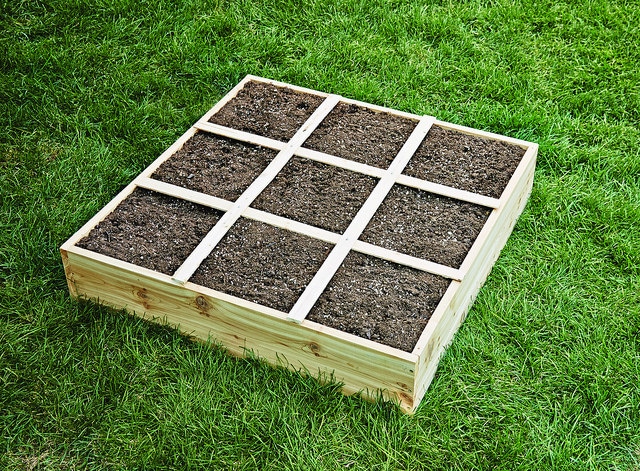
- Size: A 3 feet x 3 feet square. While 4x4 feet is also common, a 3x3 footprint allows younger children to comfortably reach the center from any side without stepping into the box, protecting the soil.
- Depth: 6 inches deep. This depth is ideal for the "Mel's Mix" growing medium, providing ample space for most vegetable roots without requiring excessive amounts of soil. It also makes the box manageable to fill and move if needed.
- Shape: Square. This is fundamental to the Square Foot Gardening method, allowing for easy grid division.
Beyond these, you'll want your box to be durable, portable (if you anticipate moving it), and of course, nice to look at!
Material Selection: Safety & Sustainability First!
Choosing the right materials is paramount, particularly when children are involved and food will be grown. The most important rule: the material cannot contain anything that might contaminate the soil and get into the plants.
- No-Gos: Avoid wood treated with chemical preservatives, oil-based paints, or any metals that could rust or leach harmful substances.
- Why Wood is Best: Most people choose wood for excellent reasons. It's a natural, renewable resource, relatively inexpensive, easy to work with (especially for DIY projects), and looks great in any garden. Untreated cedar, redwood, or pine are popular choices due to their natural rot resistance or affordability.
This is a fantastic opportunity to engage your children in a discussion about materials. Ask them:
- "Why do you think wood is a good choice?"
- "What about glass? Could we use that? Why or why not?" (Discuss safety hazards.)
- "What about different metals? Which might work, and what are the challenges?" (Consider rusting, sharp edges, heat absorption, difficulty cutting/joining.)
- "What about bricks or concrete blocks?" (Discuss weight, permanence, potential for leaching, and difficulty for kids to build.)
While discussing the pros and cons is valuable, you'll likely conclude that wood is the most practical and safest option for a child-friendly SFG box. For a deeper dive into material options and dimensions, check out our article on Your Ideal SFG Box: Best Materials & Key Dimensions.
Safety First: Rules for Building with Little Helpers
Working with tools demands respect and adherence to safety protocols. This project is a perfect classroom for teaching responsible tool use.
- Adult Supervision is Non-Negotiable: Never allow children to use tools unsupervised. An adult must always be present to guide, instruct, and intervene if necessary.
- Always Wear Appropriate Safety Gear: Make this a mandatory ritual. Everyone involved – children and adults – should wear:
- Safety Glasses: Protect eyes from wood dust, splinters, or flying debris.
- Dust Mask: Essential when cutting or sanding wood to prevent inhaling sawdust.
- Work Gloves: Protect hands from splinters, scrapes, and provide a better grip.
- Closed-Toe Shoes: No sandals or flip-flops! Sturdy shoes protect feet from falling tools or materials.
- Appropriate Work Clothes: Avoid loose clothing that could get caught in machinery.
- Use Tools in Good Condition: Before starting, inspect all tools. No splitting or rotting tool handles, drills with frayed cords, or dull saw blades. Teach kids to check their tools before each use.
- The "Happy & Healthy" Rule: Only work on the project when everyone is well-rested and in a good mood. Building requires focus and patience. If anyone is tired or cranky, take a break or postpone the activity. It should be fun, not a chore!
- Choose Age-Appropriate Tools: Start small. For younger children, focus on measuring, marking, and holding boards. Older children might progress to using a hand saw with close supervision, or a cordless drill on a low setting. Always match the tool to the child's skill level and strength.
- Maintain a Clean Work Area: Keep your workspace tidy and free of clutter. This prevents tripping hazards and ensures tools are easily accessible and accounted for.
Step-by-Step: Building Your Kids' SFG Box (Wood Edition)
With safety rules established and materials chosen, it’s time to build! These instructions are geared towards using wood for a child's SFG box.
1. Planning & Measuring
Begin by measuring your chosen boards. For a 3x3 foot box, you'll need four pieces of wood, each 3 feet long. If you're using standard 1x6 inch lumber, this is perfect for the 6-inch depth. Involve your kids in this step: teach them how to read a tape measure and mark the cut lines with a pencil.
2. Gather Your Materials & Tools
Lay out everything you'll need:
- Four 3-foot long wooden boards (e.g., untreated cedar, redwood, or pine 1x6 inches).
- Wood screws (e.g., 2-inch exterior-grade screws) or nails.
- Cordless drill with a drill bit for pilot holes and a driver bit for screws (or a hammer if using nails).
- Hand saw or miter saw (for adult use primarily).
- Measuring tape and pencil.
- Clamps (very helpful for holding boards steady).
- All safety gear!
3. Making the Cuts
This step is usually best handled by an adult, especially if using a power saw. If using a hand saw, an older child can assist with careful, supervised strokes, always ensuring the wood is clamped securely. "Measure twice, cut once" is a mantra to teach here. Precision now will make assembly much easier. For more detailed cutting instructions and alternative dimensions, refer to our guide on a Weekend Project: Build a High-Yield Square Foot Garden Box.
4. Assembling the Box
Now for the fun part – putting it all together! You'll create a simple butt joint construction, where the ends of one board meet the face of another.
- Form a Corner: Take two of your 3-foot boards. Stand one on its edge, then bring the end of the second board flush against the face of the first, forming an "L" shape.
- Pre-Drill Pilot Holes: This is a crucial step to prevent wood from splitting. With a drill bit slightly smaller than your screws, drill two pilot holes through the face board into the end of the perpendicular board. Kids can often help hold the drill steady with adult guidance, or just the boards together.
- Screw Together: Insert your wood screws into the pilot holes and drive them in, securing the boards together. If using nails, teach kids how to hold the nail straight and tap gently to start, then let an adult finish.
- Repeat: Continue this process, adding one board at a time, until all four sides are securely joined, forming your 3x3 foot square box.
5. Finishing Touches & Grid
Once assembled, run your hands along the edges to check for any rough spots or splinters. A quick sanding can smooth these out. The final, essential step for an SFG box is adding the grid! This can be made from thin strips of wood, plastic, or even string, stretched across the top to divide the box into individual 1-foot squares. This grid is what makes Square Foot Gardening so efficient, helping kids understand spacing and rotation.
Conclusion
Building a Square Foot Garden box with your children is more than just a DIY project; it's an investment in their development, a foundation for healthy eating, and a precious opportunity for family bonding. By focusing on safety, choosing appropriate materials, and making every step an engaging learning experience, you're not just building a box – you're cultivating curiosity, confidence, and a lifelong love for gardening. Get ready to fill your new garden box with nutrient-rich Mel's Mix and watch your garden – and your kids – grow!
