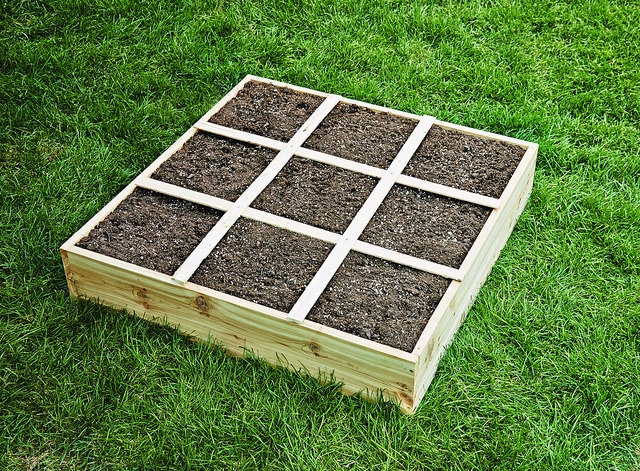
Weekend Project: Build a High-Yield Square Foot Garden Box
Transforming your backyard into a bountiful harvest doesn't require vast acreage or endless hours of weeding. Enter the square foot garden (SFG) box – a highly efficient, space-saving, and incredibly rewarding way to grow your own food. This weekend, why not embark on a fun and educational journey with your family to build a high-yield square foot garden box? It’s an ideal project for square foot gardening with kids: safety & fun, offering hands-on learning, a sense of accomplishment, and a vibrant new addition to your home.
Building your own SFG box is often the moment the garden truly comes to life for children. They get to witness first-hand where their future plants will thrive, fostering a deeper connection to nature and food production. Beyond the gardening aspect, it's a fantastic opportunity to teach them about independence, practical skills, and the joy of creating something with their own hands. And let's be honest, for many kids (and adults!), the chance to work with tools and build something tangible is exciting enough!
Choosing Your Materials: Foundations for a Thriving Garden
The adventure of building your SFG box begins with selecting the right materials. While there's a wide array of possibilities, the most critical rule is simple: the material must not contaminate your soil or, by extension, your plants. This means avoiding anything treated with harmful chemicals, lead-based paints, or oil-based finishes that can leach into the growing medium.
Most gardeners opt for wood, and for good reason. Wood is a natural, renewable resource that's generally easy to work with, readily available, cost-effective, and aesthetically pleasing. Its natural properties make it a safe choice for organic growing. However, it's worth exploring other options with your family. This is an excellent chance to discuss material science!
- Wood: As mentioned, it’s a popular choice. Look for untreated cedar, redwood, or Douglas fir, which naturally resist rot. Avoid pressure-treated lumber unless specifically certified for organic gardening, as older versions contained chemicals like CCA.
- Metal: Galvanized steel or corrugated metal can create a very modern and durable bed. Consider the cost, potential for heat absorption (which can affect soil temperature), and ensure it's food-grade and won't rust excessively or leach heavy metals.
- Bricks or Concrete Blocks: These offer incredible durability and a classic look. They are heavy and less portable, but can be a long-lasting solution. Ensure they are free from harmful residues if salvaged.
- Plastic/Recycled Materials: Some composite materials or food-grade plastics can be used, but always verify their safety and UV resistance.
While discussing the pros and cons, children can learn critical thinking skills. For instance, why wouldn't glass work? (Fragility, safety, difficulty to assemble). Why might certain metals be better than others? (Rust, reactivity with soil components). For a deeper dive into material selection and dimensions, explore Your Ideal SFG Box: Best Materials & Key Dimensions.
Essential Dimensions and Design for Success
A true square foot garden box adheres to specific dimensions that optimize yield and manageability. For your weekend project, aim for these key features:
- Size: Typically 3 feet x 3 feet or 4 feet x 4 feet. These dimensions allow you to easily reach the center of the bed from any side without stepping on the soil, preventing compaction.
- Shape: Square. This allows for the precise 1-foot x 1-foot grid layout that is fundamental to the SFG method.
- Depth: A minimum of 6 inches deep. This depth is surprisingly sufficient for most vegetables, especially when filled with the ideal "Mel's Mix" (a specific soil blend designed for SFG that we'll touch on later). If you plan to grow deeper root vegetables like carrots or potatoes, consider 8-12 inches.
- Durability: Your box should be sturdy enough to withstand the elements and the weight of moist soil.
- Portability (Optional): If you anticipate needing to move your garden later, choose lighter materials or design it for easier disassembly/relocation.
- Aesthetics: A well-built, attractive garden box enhances your outdoor space and makes gardening even more enjoyable.
These dimensions aren't arbitrary; they are the result of years of research and practical application by Mel Bartholomew, the founder of the Square Foot Gardening method. Sticking to them will ensure you get the maximum benefit from your high-yield garden.
Safety First: Tool Time with the Family
Working with tools is an exciting part of the building process, especially for kids. However, safety must always be the top priority. This project is a fantastic opportunity to instill crucial safety habits and respect for tools. Before you even touch a board, establish these non-negotiable rules:
- Adult Supervision is Non-Negotiable: Tools are only to be handled when an adult is present and actively supervising.
- Always Wear Appropriate Safety Gear: This includes safety glasses (for everyone!), a dust mask (especially when cutting wood), sturdy gloves, and closed-toe shoes. Explain *why* each piece of gear is important.
- Use Tools in Good Condition: Inspect all tools before use. No frayed cords, wobbly handles, or dull blades. A well-maintained tool is a safe and effective tool.
- A Calm and Focused Mindset: Only work on the project when everyone is well-rested and in a good mood. Frustration or fatigue increases the risk of accidents. If someone is tired or cranky, take a break!
Teaching tool safety isn't just about avoiding injuries; it's about fostering responsibility and good judgment. For more in-depth guidance on safe building with children, refer to our article: Build a Square Foot Garden Box with Kids: Safety & Fun.
Step-by-Step Box Assembly: Your Weekend Build Guide
For this guide, we'll focus on building a 3x3 foot, 6-inch deep wooden square foot garden box, as it's an excellent starter size for square foot gardening with kids how to build a box. Adjust measurements for a 4x4 box as needed.
Tools and Materials You'll Need:
- (2) 1" x 6" x 6' untreated cedar, redwood, or Douglas fir boards (for a 3x3 box)
- Measuring tape
- Pencil
- Miter saw, circular saw, or handsaw (with a miter box for precision)
- Drill with appropriate drill bits (pilot hole and screwdriver bits)
- Wood screws (2-inch exterior grade, rust-resistant)
- Safety glasses, dust mask, gloves
- Optional: Corner braces for added stability, weed barrier fabric, landscape staples
Cutting List (for a 3'x3'x6" box):
From your two 1"x6"x6' boards, you will cut:
- (2) pieces at 36 inches long (for the front/back)
- (2) pieces at 34.5 inches long (for the sides – these fit *between* the front/back pieces, creating the 3' width)
Pro Tip: Always measure twice, cut once! Let older children practice measuring and marking under supervision.
Assembly Instructions:
- Prepare Your Workspace: Find a flat, stable surface to work on. Lay out your cut pieces.
- Attach the First Side: Take one 36-inch board and one 34.5-inch board. Align them to form a right angle, with the end of the 34.5-inch piece butting flush against the inside face of the 36-inch piece.
- Pre-Drill Pilot Holes: This is crucial to prevent wood splitting, especially when working near the ends of boards. Using a drill bit slightly smaller than your screws, drill two pilot holes through the 36-inch board and into the end of the 34.5-inch board.
- Screw Together: Drive two wood screws through the pilot holes to secure the boards. Make sure they are flush and square.
- Repeat for the Second Corner: Attach the second 34.5-inch board to the other end of the 36-inch board, repeating the pre-drilling and screwing steps. You should now have a U-shape.
- Complete the Box: Attach the remaining 36-inch board to close the box, again pre-drilling and screwing into the ends of the two 34.5-inch side pieces.
- (Optional) Add Corner Braces: For extra rigidity, you can add small L-shaped metal or wooden corner braces to the inside corners, securing them with shorter screws.
- Prepare the Base (Optional): If placing on grass or uneven ground, you might want to lay down a layer of weed barrier fabric inside the box, stapling it to the bottom edges of the boards. This helps prevent weeds from growing up into your garden bed while allowing drainage.
Adding the Grid: The Heart of SFG
Once your box is assembled, the next critical step for square foot gardening with kids how to build a box is adding the grid. This simple visual guide is what makes SFG so efficient. You can make a grid from various materials:
- Wooden Slats: Cut thin wooden lath or 1x2 strips to create a 1-foot square grid. Screw or staple them to the top edges of your box.
- String/Twine: Drive small nails or screw eye hooks every 12 inches around the top perimeter of your box. Then, stretch and tie string or twine across to form the grid.
- PVC Pipe: Light PVC pipes can also be cut and joined to form a grid, which can be removable.
The grid immediately divides your bed into individual planting squares, making it easy for children to understand planting density and spacing.
Conclusion: From Blueprint to Bounty
Congratulations! You've successfully completed your weekend project and built a high-yield square foot garden box. This hands-on experience, shared with your family, creates lasting memories and invaluable learning opportunities. From selecting safe materials to cutting boards and assembling the structure, you've laid the physical foundation for a thriving garden.
The next exciting step is filling your new box with "Mel's Mix" – the optimal growing medium for SFG – and then, the moment everyone has been waiting for: planting your chosen vegetables, herbs, and flowers into their designated square feet. Get ready to watch your garden flourish and enjoy the literal fruits (and vegetables!) of your labor!
